
Breaking News: Being Accurate Outweighs Being First

A headline can grab our attention in a second. Deciding whether to trust it takes a little more effort. And when that news affects our community, our businesses, or our daily lives, that effort matters.
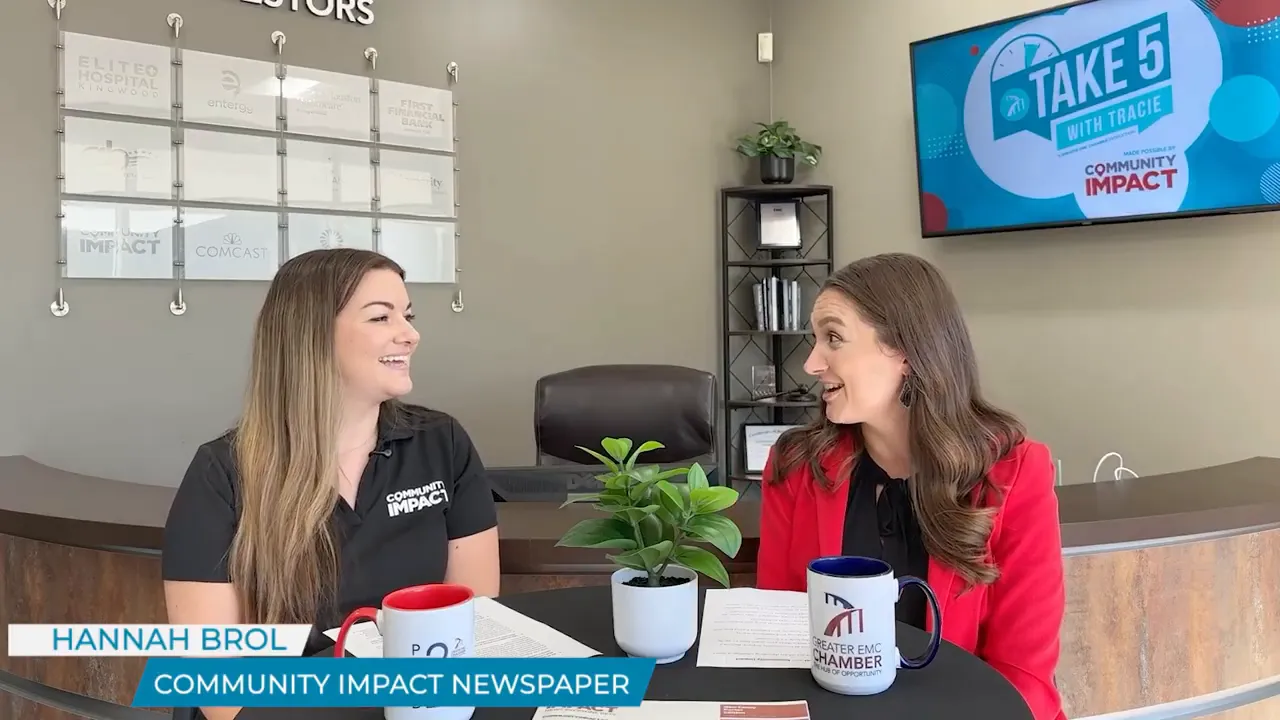
I wanted to get behind the scenes of credible local reporting, so I sat down with Hannah, senior editor at Community Impact, to talk about how her team approaches accuracy and what we can do to become more thoughtful news readers. Community Impact makes Take 5 with Tracie possible, and I appreciated the opportunity to turn the conversation toward the work behind the headlines.
Before You Believe a Headline, Check the Source
So much of our news reaches us through social media. We scroll, read a headline, and move on. Sometimes we form an opinion without ever opening the story or checking who published it.
Hannah’s first recommendation was simple: pay attention to the publication name. A headline from The Onion, for example, belongs in the category of satire, not straightforward news reporting. Recognizing the source helps us understand what we are actually reading.
She pointed to established publications such as The New York Times, The Washington Post, and Community Impact as names readers may recognize. But when the source is unfamiliar, the next step is to investigate rather than accept the headline at face value.
Here are the questions she encouraged us to ask:
- Who published this? Look beyond the social media page sharing the headline to identify the actual news organization.
- Does the organization have an official website? Visit it to learn more about the publication.
- Does it employ professional journalists? Find out who is doing the reporting.
- Does it have a political slant? Consider the perspective shaping the coverage.
- Does it tell all sides of the story? Look for reporting that includes the relevant perspectives.
The challenge, as Hannah acknowledged, is that people do not always have the time, or want to take the time, to look deeper. To me, that comes back to caring enough to pause. We need to care whether the information we rely on is trustworthy.
Credible Reporting Makes Its Sources Clear
When I asked how Community Impact approaches accuracy before publication, Hannah emphasized transparency. If you read their articles, you will notice frequent attribution: a detail comes from a press release, a statement comes from a city council meeting, or a named person provides the information.
Hannah joked that the amount of attribution can almost feel excessive. But there is a purpose behind it. Readers should know where the information came from.
Rather than leaving readers to wonder how a reporter knows something, the article identifies the source. That also gives credit to the people and organizations providing the information.
It is a useful habit for us as readers, too. Do not just look at what an article claims. Notice whether it explains where those claims come from.
Why Being Right Matters More Than Being First
When a big story is developing, everybody wants answers immediately. I asked Hannah how her team balances the pressure to publish first with the responsibility to get the story right.
Her answer was clear: Community Impact prioritizes correctness over speed.
Different news organizations are built for different kinds of coverage. Television news, she explained, is designed for the 24-hour news cycle. A monthly print publication has a different strength: the opportunity to be thorough.
That does not mean Community Impact waits a month to report something important. A school board meeting story may be published that day or the following day. The monthly print cycle then gives the team time to develop the reporting further by:
- Digging deeper into the issue.
- Gathering supporting data.
- Making sure the relevant sides of the story are represented.
- Building a more complete explanation for readers.
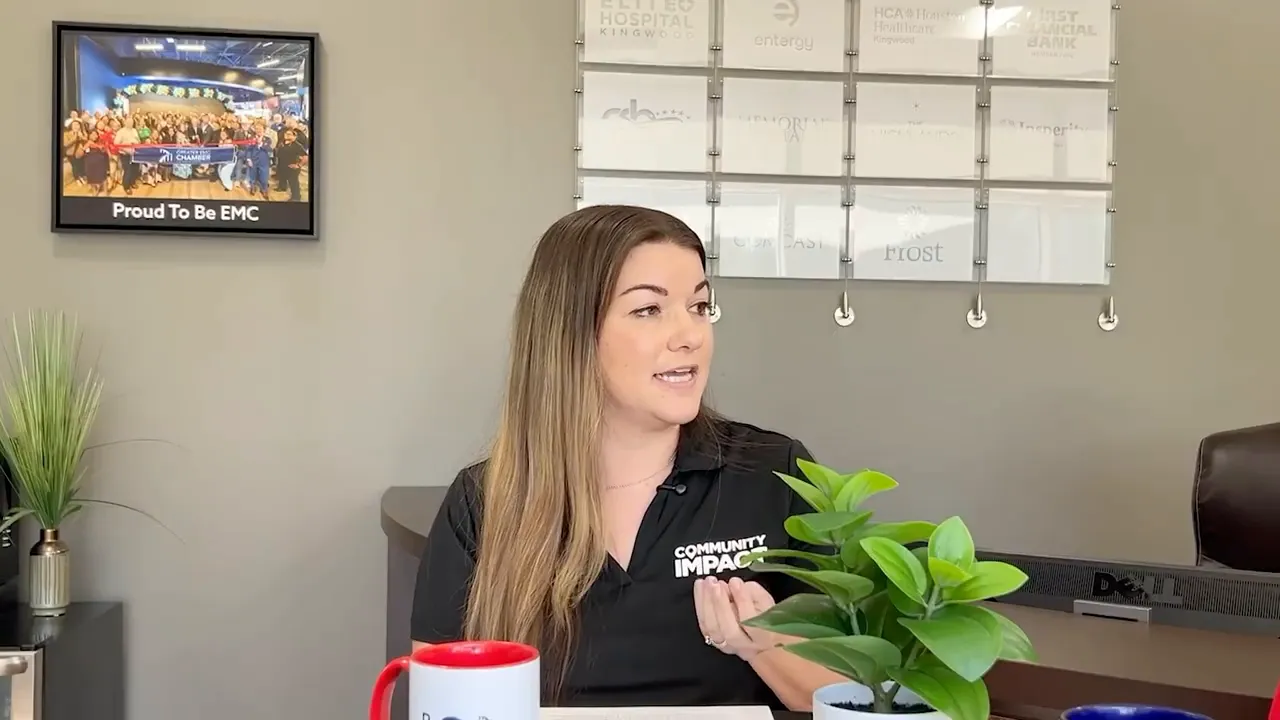
What stood out to me was the value of that pause. There is real strength in taking a moment to make sure information is accurate instead of treating speed as the only measure of success.
Local News Answers the Questions Closest to Home
In a region as large as Houston, geography matters. Someone who lives and works in East Montgomery County may have different immediate information needs than someone 50 miles away in Sugar Land.
Hannah brought it back to the questions people ask every day: Why is that road project taking so long? What is being built over in Valley Ranch?
Those are practical questions about the places where we live and do business. Having a reliable local news source means having somewhere to turn for answers that are relevant to our own community.
Regional coverage has its place. So does reporting focused closely enough on East Montgomery County to explain what is happening right here.
Stay Informed Without Feeling Overwhelmed
There is such a thing as too much news. Between social media and the constant news cycle, headlines can feel inescapable.
Hannah suggested a manageable alternative: Community Impact’s email newsletter, Morning Impact. Sent Monday through Friday, it offers a snapshot of the stories the team worked on the previous day, usually four or five short pieces covering local, state, and regional news relevant to the reader.
Instead of scrolling social media or turning on the television to find updates, you can check your email when you are ready. You can learn more and subscribe at communityimpact.com.
Make Room for a Thoughtful Pause
My biggest takeaway is that staying informed does not require keeping up with every headline. It requires being intentional about the sources we choose and taking enough time to understand what they report.
Check the publication. Read beyond the headline. Look for clear attribution. And give accurate, thorough reporting the attention it deserves.
For more community conversations, visit Take 5 with Tracie through the Greater EMC Chamber. Keep adding value and making a difference, including in the way you seek out and share information.